Real estate clients browse listings after hours — on Instagram, on the website, late at night. But brokers can only respond during business hours. Every unanswered message is a lost lead.
Background
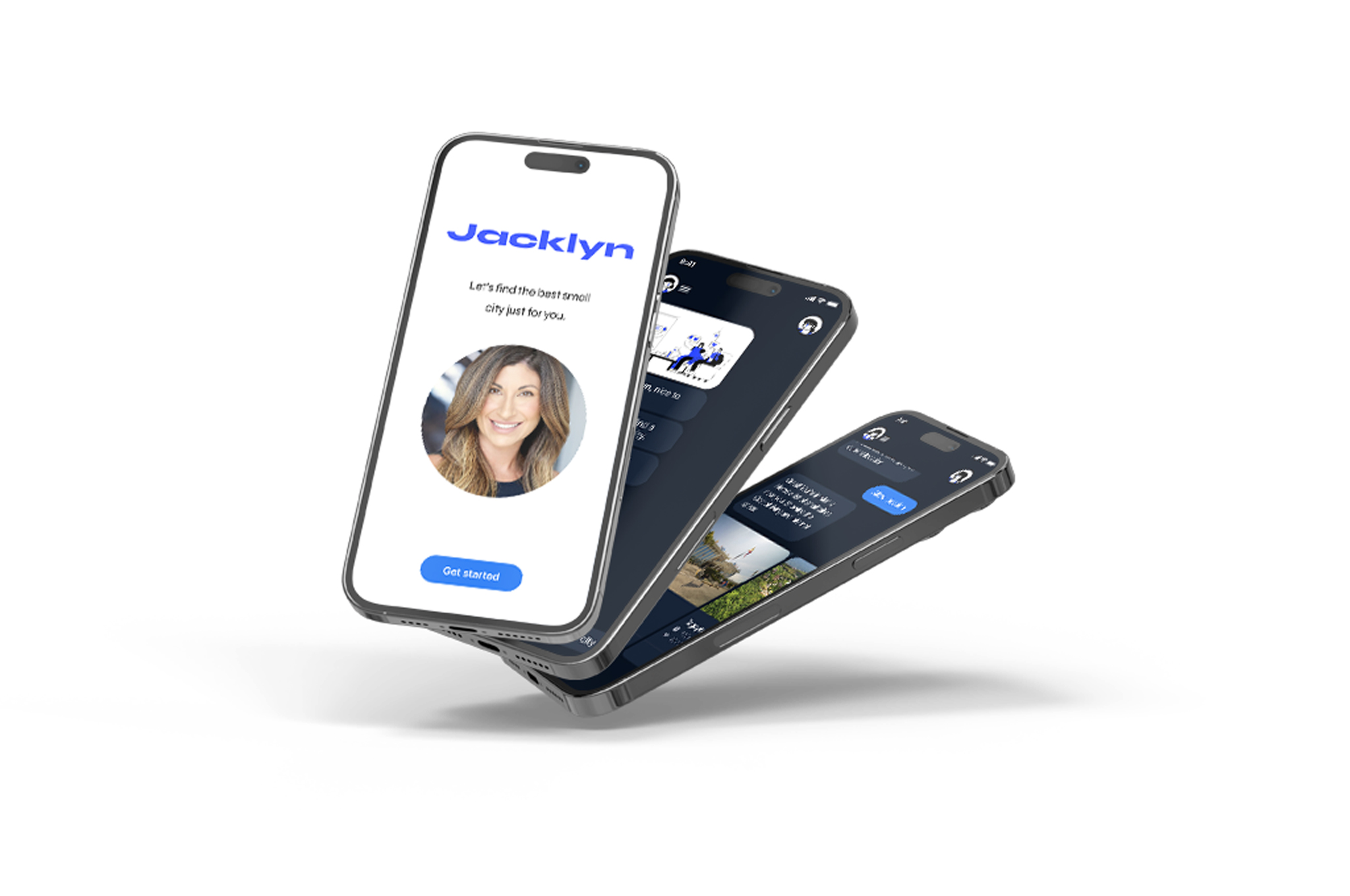
Partnership with a Greater Toronto Area real estate broker to develop an AI-powered chatbot addressing client communication gaps during off-hours browsing.
Problem — Communication bottlenecks caused delayed responses to potential clients. Peak browsing occurred outside standard business hours, creating missed engagement opportunities.
Solution — AI-driven system offering instant inquiry responses across Instagram and website, personalized property recommendations, and real-time calendar-synced appointment scheduling.
Result — Breaking the appointment scheduling process into simpler steps increased successful bookings by 40%.
UX Approach
Researched the broker's workflow through interviews and observation. Found 70% of inquiries arrived via Instagram and website after 6 PM — outside business hours.
Key insight — Clients needed a response in minutes. The chatbot had to feel like the broker was present, not like a FAQ bot.
Process
Heading
Context
The Communication Gap
The Communication Gap

Image caption

Paragraph
Real estate clients browse listings after hours — on Instagram, on the website, late at night. But brokers can only respond during business hours. Every unanswered message is a lost lead.
Image caption
Stats
70%
of inquiries arrive after 6 PM
+40%
increase in completed bookings
3 steps
booking flow, down from 7
Image caption
Callout
The chatbot needed to feel like the broker was present — not like a FAQ bot. Tone drove trust more than features did.
The chatbot needed to feel like the broker was present — not like a FAQ bot. Tone drove trust more than features did.
Image caption
Heading
Design
Conversation Design
Conversation Design
Image caption
Annotated Image

Image caption
[{"x":20,"y":30,"label":"Quick reply chips reduce typing friction"},{"x":65,"y":55,"label":"Availability badge sets expectation upfront"},{"x":40,"y":78,"label":"Booking confirmation previewed inline"}]
Two-Column Comparison
Image caption
V1 — Open-ended chat
Users could ask anything. Most typed nothing — blank input paralysed 60% of first-time visitors.
V2 — Guided prompts
Three starter questions surfaced on load. Completion rate jumped from 38% to 71% in the first week.
Pull Quote
It felt like I was there even when I wasn't. Three bookings came in overnight.
Jacklyn de Ciccio, broker
Image caption
Stats
+40%
increase in completed bookings
3 steps
booking flow, down from 7
70%
inquiries arrive after 6 PM
Image caption
Design Impact
Simplifying the booking flow from 7 steps to 3 dramatically increased completion in testing.
+40% increase in successful bookings
Seconds response time, down from hours
24/7 coverage across Instagram and website
Takeaways
AI tools work best when they feel human. The chatbot's tone, not its feature list, drove trust in testing. Brevity and confidence in replies outperformed thoroughness every time.